Health insurance can protect you from having to carry the full cost of healthcare alone. In Nigeria, there are different options to choose from: from public insurance to private HMO plans and newer embedded health-cover models which can all provide financial protection but work differently, cost differently and solve different problems.
For everyday earners especially, the best option often comes down to a practical question: what kind of protection do you need, and how easily can you access and keep paying for it?
Health insurance in Nigeria
Nigeria has made progress in expanding health insurance, but most people remain outside formal coverage. The old National Health Insurance Scheme, or NHIS, was replaced by the National Health Insurance Authority (NHIA) under the NHIA Act of 2022. The new framework is designed to expand health insurance across formal workers, self-employed people, vulnerable groups and other Nigerians who were historically difficult to reach.
How NHIA works
The NHIA is Nigeria's public health-insurance framework. For people in formal employment, contributions can be arranged through employers. But public health insurance is no longer only for salaried workers.
The NHIA's Group, Individual and Family Social Health Insurance Programme (GIFSHIP) specifically allows people who work for themselves, small businesses, families, associations, retirees and other groups to enrol.
Depending on the programme, NHIA cover can provide access to consultations, hospital care, emergency services, medicines and other treatments through accredited healthcare facilities. NHIA says beneficiaries generally receive cashless treatment for covered services, although some items can involve co-payments or exclusions.
What does NHIA cost?
The amount depends on how you enrol. For self-employed Nigerians and families using GIFSHIP, the NHIA currently lists group contributions around ₦22,000 per person annually, with individual and family enrolment structured into larger annual packages.
The advantage is that NHIA can provide relatively broad healthcare protection for far less than many comprehensive private plans. However, you still need to deliberately enrol, choose an accredited provider and understand which services your programme covers.
The existing gap
By September 2026, the NHIA reported that more than 23 million Nigerians were enrolled in the national health-insurance system. That represents significant growth, but against a population of more than 237 million, it still leaves the majority of Nigerians without health insurance.
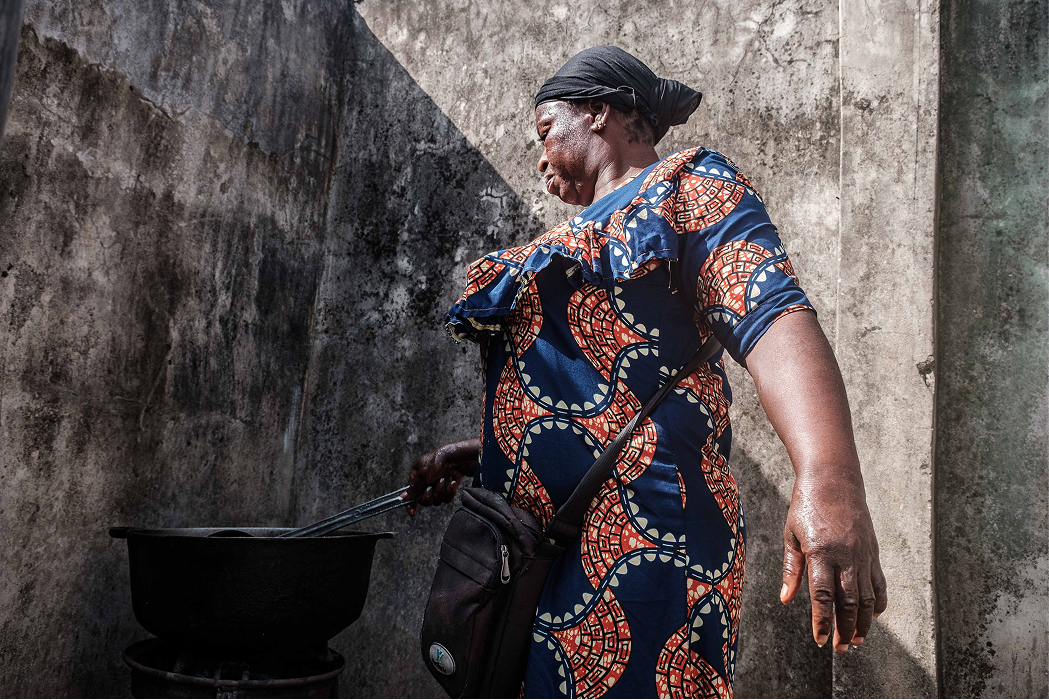
This gap is especially important for informal and self-employed workers, who do not have an employer automatically arranging or subsidising their health benefits.
So what options are available?
Private health insurance
Private health insurance is usually provided through a Health Maintenance Organisation, or HMO. You choose a plan, pay a monthly or annual premium, and receive access to a network of hospitals and healthcare services. The more comprehensive the plan, the more services and hospitals it may include.
Depending on your provider and package, private insurance plans can cover the following:
- doctor consultations
- medications
- diagnostic tests
- emergency treatment
- hospital admission
- surgery
- maternity care
- dental or optical care
- specialist treatment
The major advantage of private plans is that they offer broader choice and flexibility. Private insurers can offer different hospital networks and levels of benefits, allowing customers to buy more extensive protection if they can afford it.
That flexibility also explains why prices vary so widely. However, exact amounts depend on the provider, hospital network, benefit limits, age and services included.
For someone with predictable income, that may be manageable. For an everyday earner whose income fluctuates, paying for a separate insurance plan can create a different challenge.
M-KOPA Health Cover
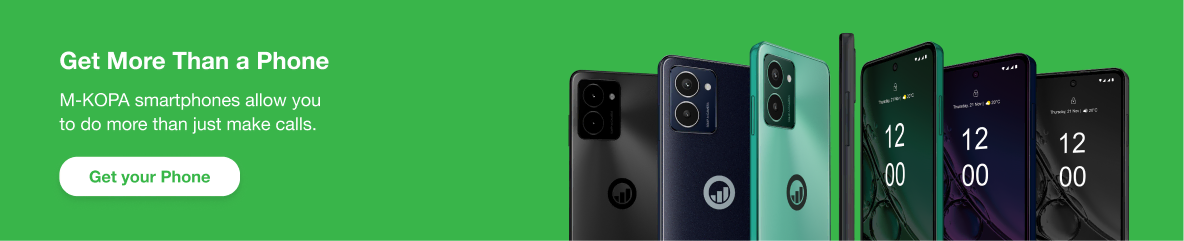
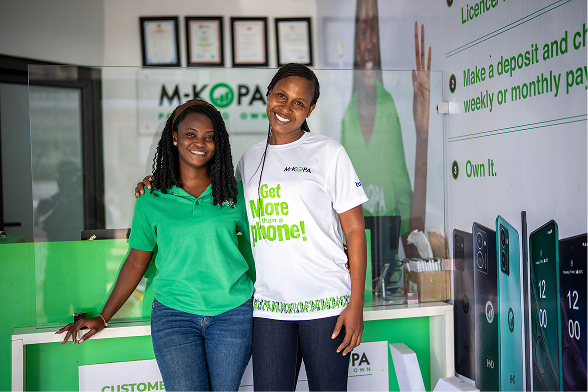
At M-KOPA, we approach health insurance differently. Instead of asking an everyday earner to first find an insurance company, choose a separate plan, complete another enrolment process and add another insurance premium to their budget, we make hospital protection part of something many customers already use/need: their smartphone.
The process is simple.
You get an eligible M-KOPA smartphone through our flexible payment model, keep your account active by making the required payments, and the hospital cover is included without a separate monthly insurance premium, provided you are diligent with your repayment history.
The cover is designed to provide a financial buffer when you are admitted to hospital, helping with the financial pressure that can come with being unable to work or facing additional expenses around a hospital stay.
The advantage of the M-KOPA Hospital Cover is accessibility. It is not intended to replace comprehensive health insurance.
NHIA vs Private Insurance vs M-KOPA Health Cover
The three options do not provide exactly the same kind of protection, so the clearest way to compare them is by looking at what each one is designed to do.
From the table above, we can see that while NHIA and private HMO plans are generally designed to pay for or provide access to healthcare services, our Hospital Cover is designed more specifically to provide financial support when an eligible customer is hospitalized.
And more importantly, it is targeted at everyday earners who may not have formal records to unlock health insurance with the NHIA, and who earn way less to be able to afford private health insurance.
Which type of health cover is right for you?
There is no single answer for everyone. NHIA may make sense if you have formal employment and want broad, relatively affordable medical coverage and are willing to enrol through the appropriate public programme. Private health insurance may make sense if you can afford a higher premium and want a greater choice of hospitals or additional services. M-KOPA Health Cover makes sense if you are an everyday earner who doesn’t qualify for or can’t afford the first two options.
Why embedded health cover can work for everyday earners
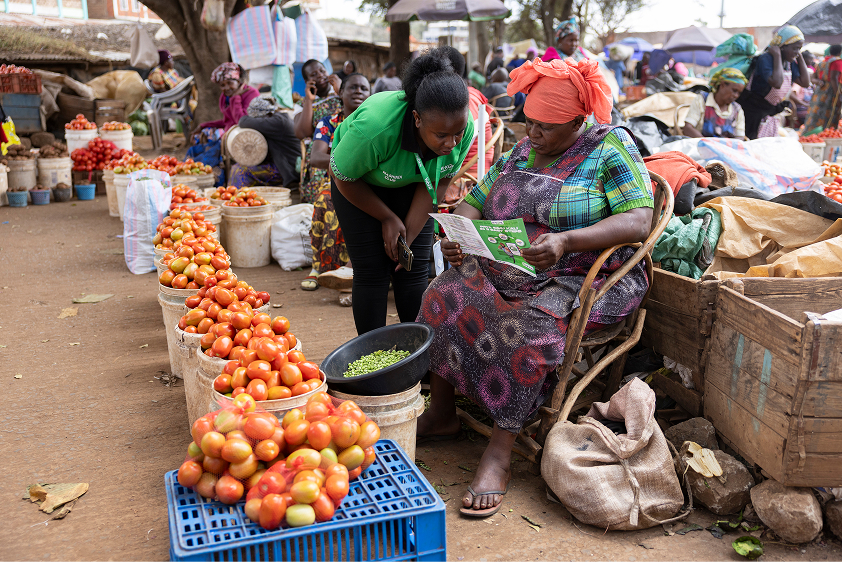
For many informal workers, the barrier to insurance is not simply that they do not care about protecting their health. Traditional insurance often asks someone to find an insurer, understand their different policies, complete a separate application, commit to a premium; and then continue managing that policy alongside every other household expense.
That process may be manageable for someone with a regular salary and employer benefits. It can feel very different for someone whose income arrives daily or irregularly.Our health insurance model removes several of those steps by embedding health protection into the smartphone itself.
This approach has already reached significant scale in our markets. In Kenya, our partnership with Turaco provided Hospital Cash insurance to more than one million customers within a year.
That is the broader promise of embedded insurance: instead of waiting for underserved customers to find their way into traditional insurance distribution, protection can become part of products and services they already use.
Health protection should be easier to access
For millions of Nigerians who earn outside formal employment, health insurance will only reach its potential if accessing protection becomes as practical as the lives people already lead.
That is where embedded health cover can make a difference. With an M-KOPA smartphone, you can access a device you need while also gaining hospital protection without a separate insurance journey or monthly insurance premium.
Contact us to explore M-KOPA smartphones with Health Cover today.