



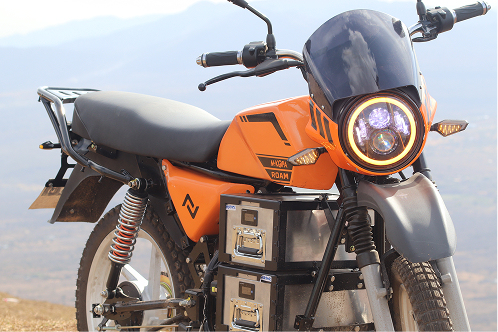
For many riders, making the switch to electric is the biggest business decision they will ever make. It is a move away from high fuel prices and oily workshops into a world of tranquility, efficiency and sustainability.
To get the most out of your new electric motorbike, you need to know exactly what changes: from the way you "refuel" to the way you handle traffic.
But first…
How does an electric motorcycle work?
Although it may seem complex, the logic behind how an electric motorcycle works is quite straightforward. The motor receives energy from the battery and converts electricity into motion. This eliminates parts common in combustion engine motorcycles, such as:
- Exhaust system
- Gear box/clutch
- Fuel tank
- Air filters
Omissions of these parts in electric motorbikes drastically make the vehicle lighter and reduce maintenance needs or costs.
Low maintenance doesn't mean zero maintenance
While electric motorcycles skip engine maintenance, messy oil changes, etc., it still needs regular attention to stay profitable. So don’t assume you’ll never visit a professional workshop.
Here’s what still needs care:
- Tyres
- Brakes
- Battery
- Suspension
Also, remember that electric motorcycles are "smart devices" (just like your phone), so they occasionally need software updates to perform their best.
Main components of an electric motorcycle
To better understand how an electric motorbike works, it's worth noting the essential parts:
- Electric motor: responsible for transforming electrical energy into movement.
- Battery: (typically Lithium-ion), it stores the energy used for travel.
- Controller: manages the energy sent to the motor.
- Regeneration system (present in some models): it helps to recover energy during braking.
This combination allows for consistent and linear performance. Furthermore, acceleration is usually immediate, since the electric motor delivers maximum torque from the very first rotation.
Average range of electric motorcycles
Autonomy is one of the factors that most influences the purchase decision. Range can vary depending on battery capacity, motor power, rider weight, and road conditions.
- Simple urban routes: 50 to 100 km per charge.
- Intermediate mid-range: 100 to 160 km
- Advanced: up to 200 km or more
For those who travel short distances every day, this range is usually sufficient. In addition, many models allow for battery replacement, which is helpful in emergencies.
How to recharge an electric motorcycle
Charging is one of the simplest steps in the experience of riding electric motorbikes. Most models allow recharging at:
- Residential outlets
- Public charging stations
- Equipped swapping stations
Depending on the battery capacity, a full charge takes 3 to 8 hours on average. In addition, some batteries are removable, allowing them to be charged indoors, just like a laptop.
How much does an electric motorcycle cost?
Prices vary depending on the model, battery technology, and motor power. Today, electric motorcycles can be found in Kenya in the following price ranges:
- Entry-level models: between KSH 85,000 to KSH 160,000 e.g Spiro’s Ekon 450M1
- Intermediaries: from KSH 160,000 to KSH 240,000 e.g Ampersand Gen3
- Premium: above KSH 240,000 e.g Roam Air
The price may seem high at first. However, the total cost of ownership tends to be lower due to savings on fuel and maintenance. For many people, the investment pays off within the first few years of use.
NB: With M-KOPA flexible payment model, you can get your e-bike upfront and start making money on the go. For instance, you can deposit KSH 25,000 for the Roam Air single battery option, then pay KSH 550 daily on instalments.
Tips for choosing the ideal electric motorcycle
If you're just starting your research, it's worth noting a few important points:
- Battery capacity and actual runtime
- Maximum speed suitable for daily use
- Cost of replacement battery
- Warranty offered by the manufacturer
- Weight: A lightweight motorcycle consumes less energy and offers better range.
- Additional technology e.g. connectivity, energy regeneration
These factors help you find the perfect model for your routine. Every detail makes a difference, especially when the goal is to save money in the long run.
Conclusion
Electric motorcycles are already part of the future of urban mobility and offer an economical, silent, and sustainable option for those who want to get around more easily. Although challenges remain, such as range and charging infrastructure, the market evolves every year.
With more models available and increasingly competitive prices, electric motorcycles are becoming a solid choice for affordability, ease of maintenance, and a new way to get around town.
At M-KOPA, we’ve made purchasing these high-end machines easier for everyday earners. Check our Mobility page for the models available, then reach out to us.



.svg)


