



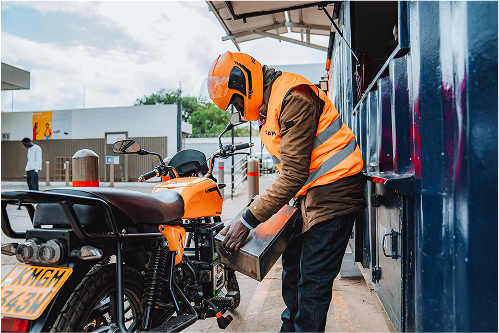
At the heart of every electric motorcycle lies its most valuable component: the battery. It powers your daily commute, defines the efficiency, range, and ultimately the sustainability of your riding experience. Proper care not only improves performance and avoids costs of premature replacement, but also supports a cleaner, more sustainable transport future with significant long-term savings.
How the battery works
Most electric motorcycles today use one of two main battery types:
- Lithium-ion (Li-ion) batteries: Lightweight, energy-dense (store more electricity in a smaller space), and efficient, offering longer riding range.. However, they require careful handling and sophisticated battery management systems (BMS) to prevent safety issues such as overheating.
- Lithium iron phosphate (LiFePO4) batteries: Known for stability and long lifespan, these batteries handle higher temperatures well, but are slightly heavier and less energy-dense, though less prone to problems in the event of damage or malfunction.
Knowing the specifications of your electric motorcycle's battery is vital, as each type has different maintenance and charging requirements. Always refer to the manufacturer’s battery specifications and detailed guidelines on charging frequency, safe discharge levels, and optimal storage conditions to maximize battery life. Different models require different care routines, and following official guidance helps maintain safety, warranty coverage, and performance of the battery.
NB: M-KOPA encourages customers to follow official guidance and safety instructions when charging their electric motorbike.
Safe Charging Practices
- Use the certified charger: Proper charging is essential to maintaining the health of your electric motorcycle's battery. This includes using the charger provided or one that meets the manufacturer’s specifications and national safety standards. This helps prevent overheating or electrical faults.
- Avoid deep discharges: Most manufacturers recommend keeping charge levels of the battery between 20% and 80% of its total capacity for optimal longevity. This practice, known as partial charging, can help extend battery life by avoiding the stress of maintaining it at its maximum capacity or allowing it to fully discharge. This is especially crucial for lithium-ion batteries.
- Charging after rides: Manufacturers recommend that batteries be charged after use, even if they have not been fully consumed; establishing a charging frequency that avoids complete charge and discharge cycles will help keep the battery within its optimal range.
- Cooling before charging: Allow your battery to reach room temperature after a long ride before connecting it to the charger.
- Avoid overcharging: Disconnect your battery once full. Even with smart chargers, unplug when fully charged to protect the battery and power grid from surges. Overcharging can cause an increase in the battery's internal temperature and pressure, which could result in a deterioration in performance and, in the worst case, pose safety risks.
- Perform a full charge cycle every 1 or 2 months: This will ensure the battery is calibrated correctly and prevent it from giving us false information about the available charge.
Habits that extend battery life
- Avoid extreme heat: Store and charge the battery in a shaded, ventilated space below 30°C.
- Limit long periods of inactivity with low charge: Always keep the battery partially charged during storage.
- Use “sport mode” sparingly: Sport mode increases the energy demand on the battery. Extended high-power periods can cause overheating, which in turn reduces battery life.
Sustainability is also part of caring for your battery. Proper disposal, recycling, or repurposing of old batteries helps reduce environmental impact. Do well to follow the manufacturer's instructions for recycling or second-life uses.
Prolonging your freedom
An electric motorcycle is much more than a means of transportation. It's a statement of intent: you're looking for efficiency, sustainability, and a way of getting around that's aligned with the future. But for that vision to work long-term, you must take care of its most valuable component: the battery.
These habits, combined with the manufacturer’s guidance, can help you maintain your battery’s performance over time and also ensure that your electric motorbike continues to offer you the same reliability and autonomy for many years to come.
If you haven’t gotten one yet, consider getting an M-KOPA electric motorbike. Click here to learn more about M-KOPA Mobility and how you can own your electric motorbike through affordable, flexible financing.




.svg)


