



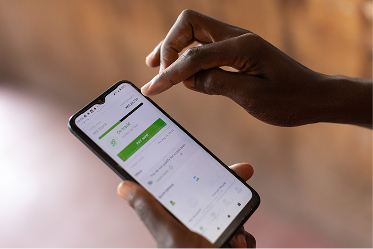
Do you have significant debt, but tell yourself that the situation will eventually resolve itself? Think again! Over-indebtedness is almost never temporary. You need to act quickly. The sooner you face your situation, the sooner you can free yourself from debt.
The important thing is not to carry this burden alone. This article offers an overview of proven ways through which you can get out of debt.
Tips on how to get out of debt faster
Spend less than planned
Most of us have wants and desires that exceed our income. You may have heard the old adage, "You can have almost anything you want, but you can't afford everything you want." Many people get into debt and stay in debt because they tend to buy what they want, when they want it.
If you want something, don't buy it unless you have the money to pay for it. If you can settle for less than you ideally want, even temporarily, you can use the money you save to pay off your debt. Once your debt is paid off, you'll likely have adjusted to your new priorities and can use the money you save for other financial needs.
Pay off your most expensive debts first
One of the most effective strategies for getting out of debt is to focus on one at a time. Choose the largest debt and focus on it first. Once you've paid off the first debt, repeat this process until you only have the least expensive debt left to pay off. This approach will help you get out of debt faster and will encourage you by showing your progress.
There is also a very popular variant of this strategy, called the snowball method, which many people find even more motivating: because rather than starting from your largest debt, you start from the smallest.
Find a second source of income and pay off your debts aggressively
Taking on a second job or regularly working an extra hour or two is a way many people pay off their debts. This strategy isn't for everyone, but if you can implement it, it could allow you to become debt-free in just a few months/years. For this to work, dedicate all your extra income to paying off your debts. These extra hours don't need to be permanent: once your debts are paid off, you can reduce your working/business hours.
You can also generate extra income by using a hobby or skill you possess. For example, if you enjoy writing, you could freelance as an article writer for blogs, newspapers, or specialized platforms. If you're good with your hands, you could make handicrafts and sell your creations online.
Track your spending and identify where you can reduce costs
For some people, this approach can save them almost as much as a second source of income. You won't know how much you can save until you try it. Track your actual spending (not what you think you should be spending) for a month. Be honest with yourself; otherwise, the exercise won't work. Most people are surprised by what they discover about their spending habits.
Once you know your expenses, you can identify areas where you can cut back. The money you save can then be used directly to pay off your debts.
Create a spending plan
If the idea of a budget seems daunting, simply think of a spending plan. It will help you stay on track with paying off your current debts or making new payments. A spending plan is a document that allows you to ensure you spend less than you earn.
Some people say they don't like budgets, but have they ever actually tried creating one? And if you've managed without a budget until now, how can you be sure you won't enjoy it? After trying a realistic budget, most people find that the alternative (i.e. staying in debt) is far worse.
Final tip: Avoid taking on new debt
While you're paying off your existing debts, avoid taking on new ones unless absolutely necessary. Don't use additional loans to finance your lifestyle.
How to start saving again if you're paying off debt
Even if you're paying off debt, it's possible to start saving again by setting aside a small percentage of your income. This habit will allow you to create an emergency fund and avoid falling into more debt.
- Save a fixed percentage of your income: start with 5% of your monthly income and gradually increase the percentage when you can.
- Save any extra income: use your Christmas bonus, business bonuses, or other additional income to strengthen your savings.
- Set short-term savings goals: saving for your children's fees, a business equipment, or an emergency fund will help you stay motivated.
If you're interested in learning more about long-term savings strategies as a daily income earner, you can read about how to save money in this article.




.svg)


