




The use of smartphones in the education sector has been a topic of debate for years. While many people believe they can be distracting, mobile devices also offer significant educational opportunities. With the right tools and methodologies, smartphones can become valuable allies in student learning, creativity, and engagement.
In this article, we explore 10 ways through which smartphones support education and skill development.
1. Facilitate quick access to information.
Smartphones allow students to instantly search for information during a lesson, thereby fostering active learning. For example, if questions arise during a lesson, students can consult Wikipedia, Google or ChatGPT to supplement the teacher's explanation. This helps enrich real-time discussions and activities, avoiding lengthy class interruptions.
2. Promote personalized learning.
With educational apps and digital resources, each student can progress at their own pace. For example, apps like Duolingo for languages or Kahoot! for reviewing content allows each student to strengthen their weak points and improve their individual performance. This makes it possible to adapt exercises and content to individual needs.
3. Make learning more interactive.
Thanks to their interactive nature, smartphones make lessons more dynamic. Students participate more, which fosters a better understanding of the material. For example, some educational apps offer real-time quizzes that stimulate attention and motivate learning.
4. Develop digital skills.
Smartphones are not just for learning traditional subjects. They also foster essential twenty-first century digital skills, such as video editing, managing your social media pages, using generative AI tools like ChatGPT or Claude on your phone for your captions and copy writing, brainstorming, and research and more.. With constant access to diverse information, they enable interactive and adaptive learning. This promotes digital literacy, that is, the ability to use digital technologies effectively and safely.
5. Enhance access to education.
Smartphones allow quick access to a multitude of educational resources, regardless of location or time. This reduces barriers related to traditional educational materials or distance learning, and thus expands learning opportunities.
6. Enable multimedia learning.
With videos, audio, infographics, and interactive apps, smartphones offer more comprehensive and engaging learning experiences that combine text, images, and sound. Platforms like TED-Ed and YouTube Edu allow students to access visual explanations of complex concepts.
7. Smartphones also foster student autonomy.
Thanks to the spontaneous access to educational resources, students can learn self-directed learning, manage their time, and delve deeper into concepts that interest them. This educational independence is a valuable asset for developing their engagement and motivation.
8. Improve student organization.
Calendars, reminders, and management apps like Google Calendar, Trello, or Todoist help students organize tasks, schedules, and projects, promoting responsibility and autonomy. This is especially useful for long assignments, group projects, or exam preparation.
9. Encourage creativity.
Drawing, video editing, and presentation applications allow students to develop creative and original projects. For example, Canva can be used to create visual presentations or educational videos, integrating different skills and artistic expressions.
10. Access to up-to-date educational resources.
Traditional textbooks aren't always up-to-date. Fortunately, smartphones provide access to current digital resources, educational news, and relevant reference materials. For example, science news apps or educational blogs like Edutopia offer recent and relevant content.
Concluding thoughts
The positive impact of smartphones is limited by the digital divide. Not everyone has equal access to these tools, which can increase inequality in learning. A lack of equipment or digital skills at home can make it harder for children to learn and use technology confidently. To maximize the benefits of smartphones, it is therefore essential to support their use with appropriate educational initiatives and equitable access.
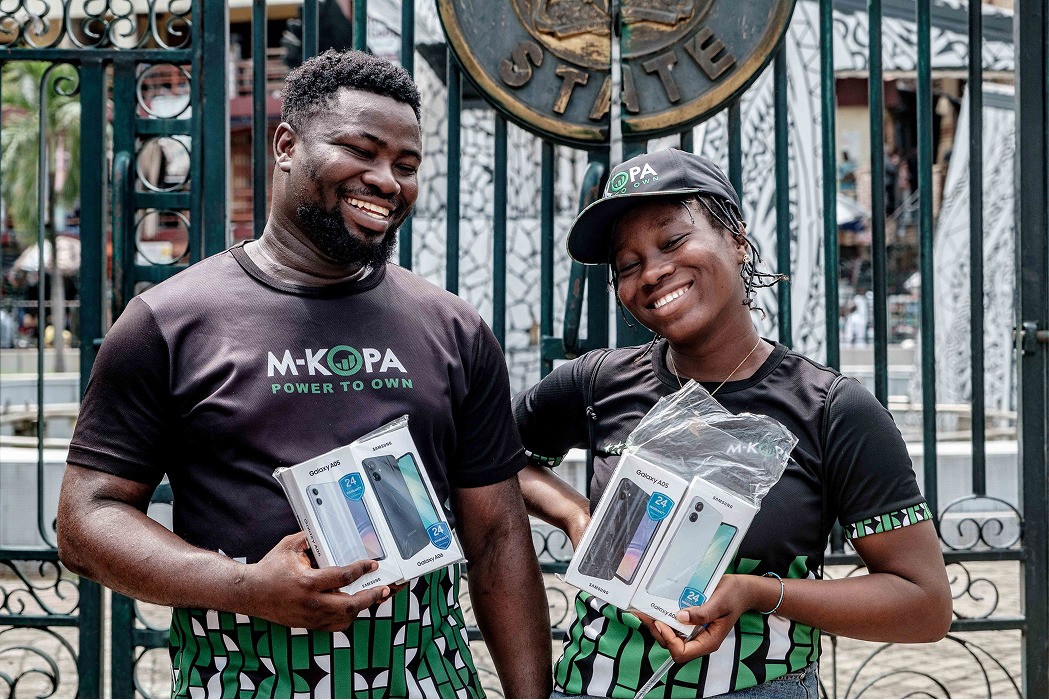
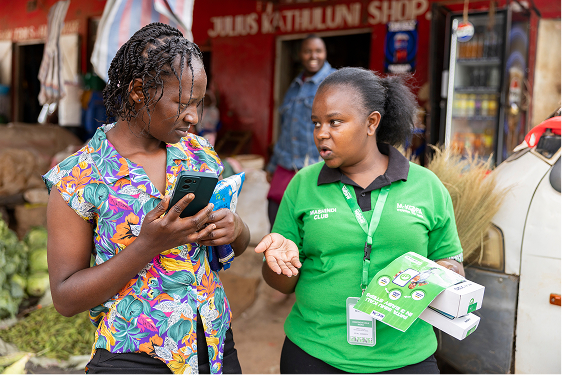
At M-KOPA, we bridge the accessibility gap by providing smartphones for low-income households with a pay-as-you-go model. You can get an M-KOPA phone for your child today, so they don't get left behind in class.


.svg)


