



If you need a new smartphone but cannot comfortably pay for it upfront, there are several ways to finance the purchase. You could finance the device itself, take a mobile money loan and buy it in cash, or borrow from a bank.
All three can get you the same phone, but they solve the problem very differently. The best option depends on what you need the money for, how quickly you need it, how you earn, and what kind of credit you can access.
The three options at a glance
Device financing
One common form of device financing is pay-as-you-go, where you make an initial payment, take the smartphone home immediately and pay the remaining cost over time. This model is particularly useful for people who cannot meet traditional lending requirements. The GSMA explains that pay-as-you-go smartphone financing can rely on device-locking technology instead of conventional collateral, allowing providers to serve people with irregular incomes or limited formal credit histories.
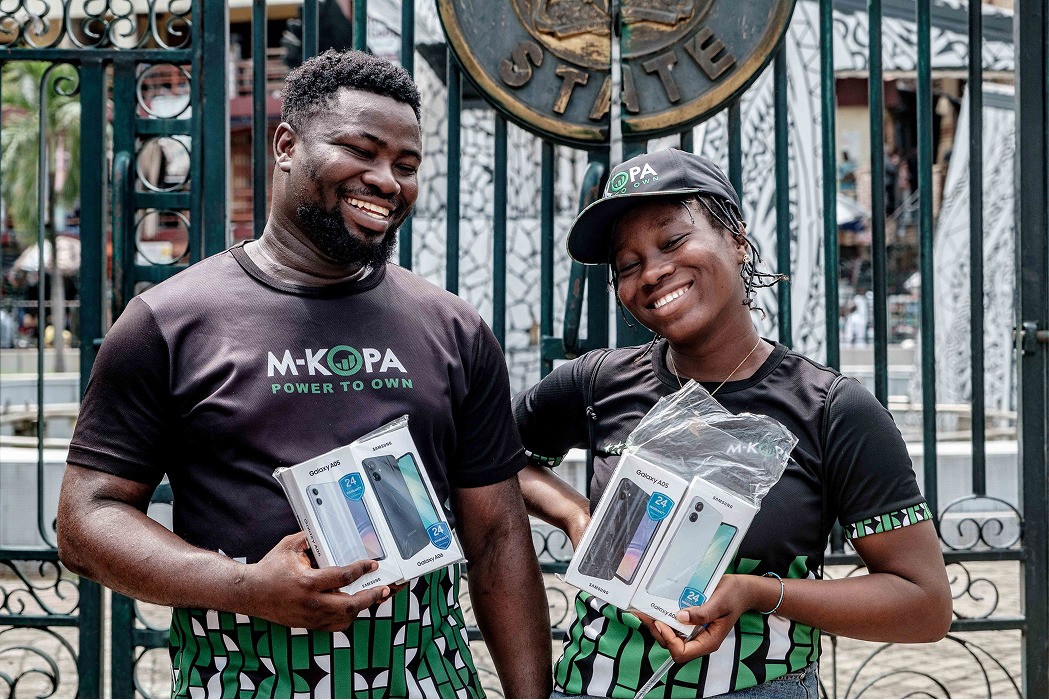
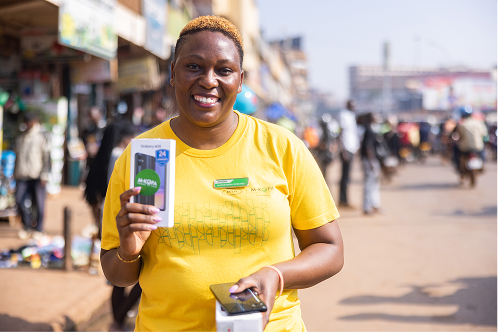
That is the financing model we adopted at M-KOPA, and it works across markets including Kenya, Uganda, Nigeria, Ghana and South Africa. It does not require conventional collateral, guarantors or formal credit scores: customers start with a deposit and can make daily, weekly or monthly payments.
Financing a device can cost more overall than buying the same phone outright with cash. What device financing (pay-as-you-go) model changes is how much money you need at the beginning and how the remaining cost is spread across your income. For someone earning day by day, that distinction can matter more than the sticker price.
Mobile money loans
A mobile money loan gives you cash, which you can then use to buy a smartphone, or even another expense like restocking, rent, transport, etc. Mobile money loans, a form of digital credit, are typically small, short-term, remote and unsecured, with approval often based on transaction data rather than physical collateral or extensive paperwork. While these loans provide speed and flexibility, the repayment period can be very short.
In Kenya for example, KCB M-PESA currently charges an 8.8% loan rate with repayment in one month while M-Shwari charges a one-time 7.5% facility fee with repayment within 30 days. That may work well when you need cash for a short-term problem, but if your only goal is to buy a smartphone, taking a 30-day cash loan to purchase an asset you intend to use for several years can create unnecessary pressure. You have solved the upfront-payment problem, but you may simply have replaced it with a very short repayment deadline.
Rates and repayment terms were accurate at the time of writing and may change.
Bank credit
Bank loans generally operate at the other end of the spectrum. Instead of very short repayment periods, customers can often spread repayments across months or even years. In Kenya, for example, the average commercial-bank lending rate was 14.38% per year in June 2026. That is not directly comparable with a one-month digital-loan fee, and the actual rate offered to an individual customer will differ by bank and risk profile, but it shows why conventional bank credit can look much cheaper on an annual basis.
The catch is access.
Some unsecured bank products, particularly those designed for salaried customers, may require an established banking relationship, identity and tax documents, payslips and proof of employment. KCB's Kenyan personal unsecured loan, for example, can run for up to 48 months but requires documents including recent payslips and an employer introduction letter.
So while bank credit may be attractive for someone with a formal income and established credit profile, it can be far less accessible to an Every Day Earner who earns consistently but cannot produce the paperwork a bank expects.
What do the rates actually tell you?
Comparing these three options can be quite misleading, because while a bank might quote an annual rate, a mobile lender might quote a monthly rate or a one-time facility fee, and then device financing may instead show you a deposit, instalment amount and total repayment.
Those numbers are not directly interchangeable.
Do not compare these options simply by looking for the lowest percentage. Compare how much you receive, the total amount you will repay, as well as all applicable fees and taxes, and how long it will take to pay it. A 7.5% fee due in 30 days and a 14% annual interest rate over several years are completely different commitments.
Collateral is not the only barrier
It is also easy to assume that the main difference between these options is whether you own something valuable enough to use as security (i.e. a collateral). Well, in reality, eligibility involves more than collateral.
The table below provides more information:
Which option fits which situation?
Device financing: best if you specifically need a smartphone
You avoid borrowing more cash than the device requires, spread the purchase across smaller payments and start using the phone before completing payment. This is particularly useful when the phone itself can support work or business. In some pay-as-you-go models, the device can be restricted when scheduled payments are missed, reducing the need for traditional collateral. This structure helps explain how device financing can reach customers whom a bank might struggle to approve without asking them to pledge another asset first.
Across our customer base, 92% say our financing made M-KOPA smartphones more affordable, while our model allows them to build a repayment history as they pay towards ownership.
Mobile money loan: best if you need quick cash
If the real problem is an emergency bill, business stock or another expense, financing a smartphone does not solve it. The flexibility of cash is valuable, provided you can handle the shorter repayment period and understand the full cost.
Bank loan: best if you qualify for formal credit
For someone with regular documented income, plus a strong credit profile and time to complete the application, bank financing can offer longer repayment periods and potentially lower annual rates.
NB: Financing is mainly solving an affordability and timing problem. If buying a smartphone outright will not deplete your savings or leave you stranded, paying cash can avoid financing costs altogether.
When device financing wins
Device financing is especially useful when these four things are true:
- The device is the actual thing you need: You are not taking a cash loan and hoping the money remains available until you buy the phone.
- The upfront price is the main obstacle: You can manage smaller payments but cannot comfortably produce the entire amount upfront.
- Your income does not fit traditional bank lending: You may earn regularly without having payslips, collateral or a long formal credit history.
- Using the phone now has value: If the smartphone helps you communicate with customers, access work, sell online or manage a business, waiting months to save to buy a phone also has a cost.
This is the gap M-KOPA's financing model is designed around. Customers can make a small initial payment, begin using the smartphone immediately and pay towards full ownership over time, while those repayments can help them build a financial history that may later make them eligible for services such as digital loans and health cover.
The model is not automatically the cheapest way for every person to buy every phone, and it does not need to be. Its advantage is more specific: it gives people who can afford a device progressively a way to own it without first having to afford it all at once.
The better question is what you are financing
Device financing, mobile money loans and bank credit are all forms of borrowing, but they are designed for different jobs. If what you need is cash, borrow cash carefully. If you qualify for affordable long-term bank credit, compare it. But if what you actually need is a smartphone and the main obstacle is paying the entire price upfront, financing the device directly can be the cleaner solution.
With M-KOPA's pay-as-you-go model, eligible customers can start with a deposit, make payments that better match everyday cash flow and build towards full ownership instead of taking a separate cash loan simply to purchase the phone.
Ready to own a smartphone? Start here!
.svg)


