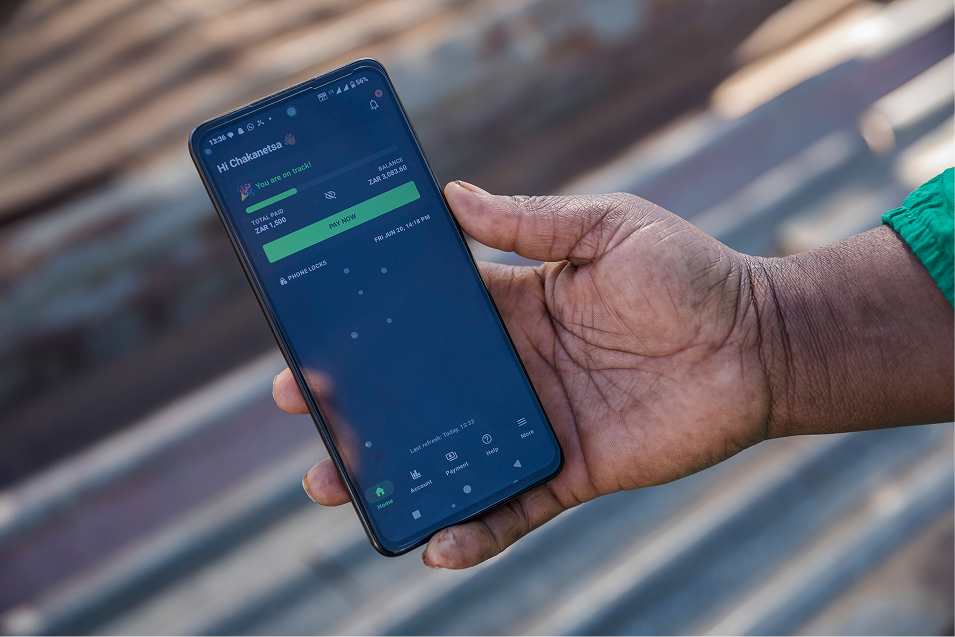

A digital loan can take only minutes to access. But how you repay it can become part of a financial record that lasts much longer than the loan itself.
That is why understanding credit bureaus matters. Your repayment history can affect how lenders assess you in the future, and knowing what is recorded about you gives you a better chance of protecting one of your most useful financial assets: your credit reputation.
What does a credit bureau actually do?
A Credit Reference Bureau (CRB) is an organization that collects information about how individuals and businesses use and repay credit, then organises that information into credit reports and scores that authorised lenders can use when making lending decisions.
According to the Central Bank of Kenya, Kenya's credit-information-sharing system allows lenders to share both positive and negative information so that someone's record can reflect responsible repayment as well as missed obligations.
A typical credit record can therefore contain information such as:
- loans or other credit facilities you have taken;
- amounts borrowed and still outstanding;
- whether repayments were made as agreed;
- late or missed payments;
- defaults and debt-restructuring information; and
- your resulting credit score.
This information helps a lender assess how you have managed credit before. A good history can therefore work in your favour. The Central Bank of Kenya notes that credit reporting allows reliable borrowers to distinguish themselves from persistent defaulters and can support faster lending decisions and potentially better terms.
How digital credit can affect your credit record
Being blacklisted by a Credit Reference Bureau may sound as though a person's name has been placed permanently on a list that automatically prevents them from ever borrowing again. Kenya's system is more nuanced than that.
A borrower can have negative information on their credit report when they default, make late payments or otherwise fail to meet a credit obligation. But under Kenya's current Credit Reference Bureau Regulations, a credit score cannot be the sole reason a lender denies someone a loan. It is one part of a broader lending decision.
Therefore, negative information can make borrowing harder but not outright impossible. A lender may consider you at higher risk, offer a smaller facility, apply different terms or decline an application after considering your wider financial circumstances.
Digital credit became particularly important to this conversation because of how quickly mobile borrowing expanded in Kenya. A 2021 study found that digital credit accounted for 90% of the blacklistings observed in its analysis. Digital borrowers had both higher default rates and a greater likelihood of having a default reported than people using other forms of credit.
Also, research by FSD Kenya found that around half of the digital borrowers surveyed had been late with a repayment at least once. Common reasons included poor business performance and the loss of an important source of income. Another research by the Competition Authority of Kenya found that 33% of digital-credit users had multiple active loans.
These studies highlighted risks such as multiple borrowing and limited understanding of loan costs and penalties. That makes protecting your credit reputation an important thing to keep in mind.
How to protect your credit reputation
Before accepting a digital loan or financed product, slow down to understand what you are committing to.
A few things are especially important:
- Know the total cost: Understand how much you will repay altogether, including interest, fees and any other charges.
- Know the payment schedule: Be clear about when payments are due and how often you are expected to pay.
- Test whether you can afford it: Ask whether you could still make the repayment if your income temporarily dropped or an unexpected expense came up.
- Check the provider: Make sure you are borrowing from a properly licensed or regulated lender.
- Avoid unnecessary loan stacking: Taking another loan simply to repay an existing one can quickly make your financial position harder to manage.
- Understand what happens if you miss a payment: Know whether late or missed payments can be reported to a CRB and what other consequences may follow.
One of the simplest ways to protect your credit record is by keeping track of due dates and making consistent repayments.
If your income changes and you think you may struggle to pay, contacting the provider before the problem grows is usually better than ignoring the account until it becomes seriously overdue.
How to check your credit status in Kenya
You do not have to wait until a loan application is rejected to discover what is on your credit record. Kenya currently has three licensed CRBs:
- TransUnion
- Metropol
- Creditinfo
Under Kenya's CRB regulations, you are entitled to one free copy of your credit report from each bureau every year. You may also qualify for another free report in certain situations, including after an adverse lending decision or after asking for inaccurate information to be corrected. You can check through the bureaus' official channels for their unique services
Checking periodically also helps you identify genuine repayment problems and or wrong information that may need to be corrected.
What if your credit report contains a mistake?
You have the right to challenge inaccurate, outdated or incorrect credit information. Kenya's regulations require Credit Reference Bureaus to provide a dispute process. Once you raise a dispute, the bureau must flag the information as being investigated and ask the organisation that supplied it to verify whether it is correct. If an error is confirmed, the information must be corrected.
So if you see a loan you never took, an amount you already paid still shown as outstanding, or any other information you believe is incorrect, follow these steps
- Contact the Credit Reference Bureau
- Identify the specific record you are disputing
- Provide any supporting evidence you have
- Follow-up on the dispute until it is resolved
Tip: Do not pay an unofficial third party who claims they can secretly “remove your name from CRB blacklist”, as they may be fraudsters. Always visit the official CRB website for complaints.
How to rebuild after a default
A damaged credit record is not necessarily the end of your ability to borrow. Here are steps to follow:
- Resolve your debt with the lender
- Confirm that the lender has updated your account
- Keep future repayments current and updated
- Avoid taking on additional debt until you finish paying
- Gradually build more positive repayment behaviour
It is also worth knowing that settlement does not necessarily delete the historical default record immediately. Under Kenya's CRB regulations, information relating to a non-performing loan can remain for five years after final settlement. What changes is that the record should show that the debt has been settled rather than continuing to appear unpaid.
This is why rebuilding credit is usually a process, not a one-day administrative action.
What this means for M-KOPA customers
In Kenya, we report customers' payment history to licensed Credit Reference Bureaus. That means your repayment record can either build your credit score or harm it. We also notify customers before negatively reporting missed repayments, and once they make consistent repayments, they become eligible to apply for additional M-KOPA services.
This is why we encourage customers to understand their payment obligations from the beginning, monitor their accounts and contact us if they need clarification about what is due. A financed smartphone is not only something you are paying for; the way you manage that agreement becomes part of the financial history that may influence what you can access next.
Your credit record is part of your financial reputation
Digital credit is useful because it can put finance within reach quickly, but speed should not make borrowing casual. Know what you owe, understand when it is due, check your credit report periodically and act early when something looks wrong or repayment becomes difficult.
Explore more M-KOPA Finance Guides.