



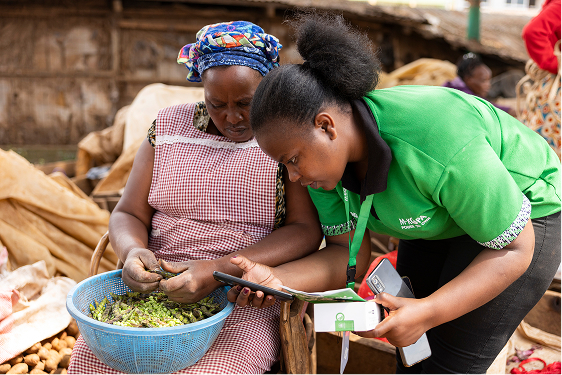
As a parent, one of your greatest desires is for your children to have a quality education that allows them to achieve their dreams and a promising future. However, this comes with several expenses, including school fees, uniforms, transportation, feeding, and supplies. For parents running small businesses, managing these costs can sometimes feel overwhelming, especially when income fluctuates from day to day.
Generally, providing a quality education is the dream of all families, but the budget doesn't always cover the costs. However, it is possible to save money on your child's education without affecting the quality of learning.
In this article, we share important tips on how to save money on your children's education.
When should you start saving for your children's education?
The ideal time to start saving for your children's education is as soon as they are born. The earlier you start, the more you benefit from compound interest, especially if you save with banks or other digitally-inclined financial institutions. Compound interest allows your savings to grow exponentially over time, meaning that even small, regular contributions can add up to a substantial sum by the time your child reaches school age.
You should consider long-term planning for your savings–for their university education and professional specialization, so that their talent reaches its full potential. There are several factors to consider when determining how much you need to save for your children's long-term education:
- The average cost of a degree at one or more of your preferred institutions (with and without scholarships).
- The number of years you have before sending them to study.
- How much money you will have saved by then.
- Inflation in those future years.
- The number of years your child will spend studying at that higher institution.
Tips to save money for your children's education
Financial planning
The first step to saving money on children's education is to create a family financial plan and management system. Define a clear financial goal and set a monthly savings amount that fits your budget. If saving a lot is difficult at first, start with a small amount and gradually increase it according to your finances.
Some strategies that can help include setting weekly savings targets and saving a percentage of profits instead of fixed amounts. It's important to review your plan periodically, adjusting it if your situation changes (e.g a growing family, increased income) and adjust your savings to stay on track toward your goal.
School transport
School transportation is often one of the expenses involved in children's education. One tip to save money is to have your child join the school bus, so you don't have to spend money on public transportation every day. Another suggestion is to enroll the children in a school (within a walking distance) close to home.
Get quotes for materials
Another important tip for saving money on your children's education is to research prices for school supplies. It's recommended that parents compare prices at different stores and even buy items outside of the back-to-school season. This will help save some money.
Reuse school supplies
Speaking of school supplies, another important tip for saving money is to reuse materials from the previous year. Items such as pencils, erasers, rulers, pens, and school bags, when still in good condition, can be reused by your child. A tip is to buy second-hand textbooks (so far all pages are still intact) instead of new ones which will be pricier.
Instill a saving habit in your children
Teaching your children the value of money and the importance of saving is fundamental. If they learn to manage their money responsibly from a young age, they will be better prepared to handle their own finances in the future. Involve them in the process of saving for their education and encourage them to actively participate in making decisions about their spending and savings.
Conclusion
Just as we prepare to buy a car or take a trip, the same planning should be done for our children's education. By analyzing your finances and getting into the habit of controlling your spending, you can save money on your children's education and, on top of that, prepare for possible unforeseen events.
The goal is not to save perfectly, but to start early, stay consistent, and plan intentionally around your income.
Check our blog for more financial tips.





.svg)


