



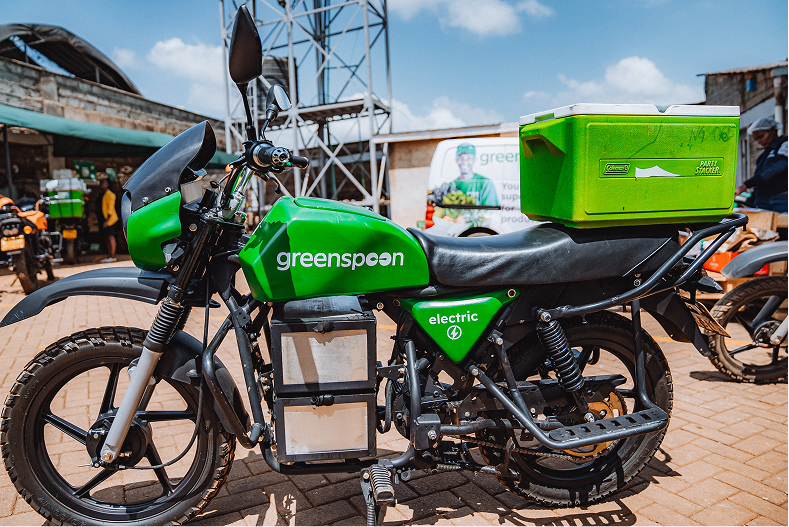
Have you ever considered how electric motorcycles are changing the way we move around cities?
In recent years, with increased environmental awareness and technological advancements, many African countries have begun actively promoting electric motorcycles with the aim of reducing pollution and fostering a transition to sustainable transport.
In this article, we'll explore the impact of this revolution on urban transportation in Africa.
The rise of electric motorcycles in Africa
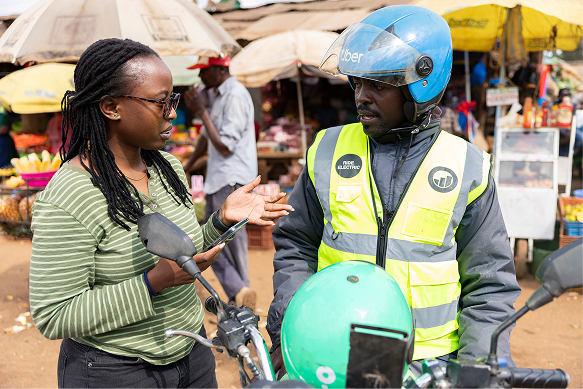
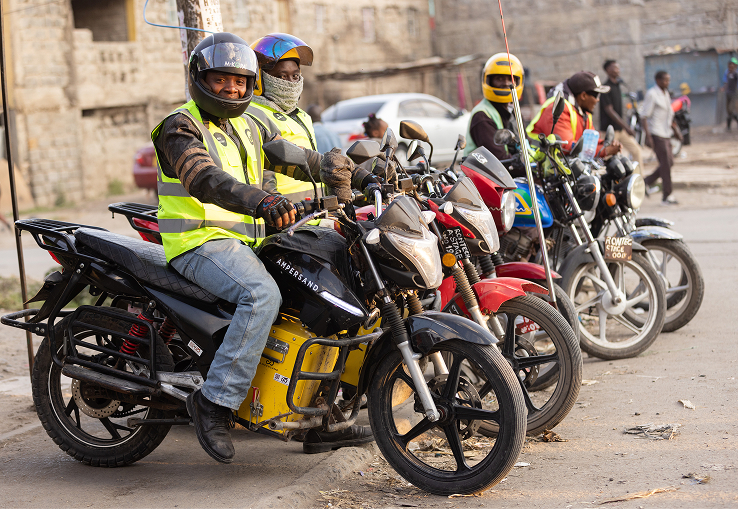
In Africa, motorcycles are not only a means of private transport but also constitute an important part of local public transport. In Kenya, Africa's second largest motorcycle taxi market (and largest electric motorcycle market), motorbikes are helping to fight poverty by creating new economic opportunities across the country. On average, 1 in 10 Kenyans depend on motorcycles for their livelihood, with young riders earning at least KSH 1,000 per day.
Due to rapidly rising fuel costs in recent years, electric motorcycles are becoming the preferred choice for customers. According to a report from Market Data Forecast, the motorcycle market in Africa is expected to reach $6.76 billion by 2034, and electric motorcycles will soon become the dominant product in the transition to sustainable transportation in sub-Saharan Africa.
Benefits of electric motorcycles for the environment
Electric motorcycles offer a sustainable alternative compared to conventional motorcycles, which use fossil fuels. Here are some environmental benefits of electric motorcycles:
- Reduced Emissions: Electric motorcycles emit zero pollutants during operation, which means cleaner air in cities.
- Lower Energy Consumption: They are more energy efficient, converting a greater portion of the battery's energy into movement.
- Battery Recycling: Advances in battery technology are promoting more efficient recycling processes, reducing waste.
- Less Affected Ecosystems: The use of electric motorcycles reduces the need for oil extraction, minimizing associated negative environmental impacts.
How electric motorcycles are supporting cleaner transport
Positive environmental impact
One of the biggest problems faced by cities is the emission of greenhouse gases from combustion vehicles. Electric motorcycles, being powered by electricity, eliminate these emissions, helping to significantly improve air quality. Compared to a traditional motorcycle, studies show that an electric motorcycle can reduce carbon dioxide (CO2) and carbon monoxide (CO) emissions by up to 36% and 90% respectively.
Another important benefit is the reduction of noise pollution. Because they are silent, electric motorcycles contribute to the reduction of urban noise, promoting a more peaceful and pleasant environment for everyone.
Reducing congestion
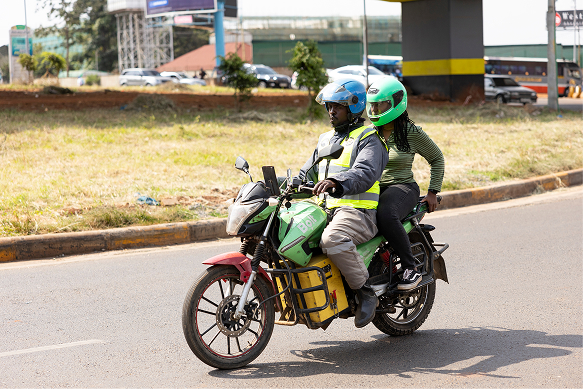
Electric motorcycles are compact, agile, and ideal for navigating the traffic within large cities. They allow riders to move easily even on congested roads, reducing travel time and optimizing urban mobility as a whole. With the increasing adoption of electric motorcycles, there is a trend towards decreased car use, which also contributes to easing traffic congestion and improving traffic flow.
Cost-effectiveness and accessibility
The cost savings generated by electric motorcycles is one of their main attractions. The cost per kilometer driven is significantly lower than that of a combustion engine motorcycle, and maintenance is simpler and cheaper. Another relevant factor is that some governments are implementing tax incentives for the purchase of electric vehicles, making them more accessible to a wider audience.
Adapting cities for electric mobility
The infrastructure for electric vehicles has grown exponentially. Charging stations are increasingly appearing in strategic locations throughout cities, such as parking lots, shopping malls, and gas stations. This expansion facilitates the use of electric motorcycles and encourages the transition to cleaner mobility.
Technology at the service of sustainability
Modern electric motorcycles are equipped with technologies that make mobility more efficient and connected. Battery monitoring systems (BMS), optimized driving modes, and connectivity via apps are just some of the innovations that improve the user experience. Furthermore, advances in battery technology are extending range and reducing charging times, making electric motorcycles even more attractive to urban consumers.
The future of urban transportation with electric motorcycles
The future of electric motorcycles in urban commuting looks promising. As African cities work towards achieving sustainability goals, electric motorcycles are likely to become a staple in urban transportation.
- User Experience: Electric motorcycles offer greater efficiency and comfort, focusing on the user experience in urban travel.
- Integration with Public Transportation: In the future, electric motorcycles could be integrated into public transportation systems, offering a seamless travel experience. This integration could improve last-mile connectivity, making it easier for passengers to reach their destinations.
- Adoption by delivery services: As e-commerce continues to grow, electric motorcycles are being increasingly adopted by delivery services. Their agility, lower operating costs, and environmental benefits make them an ideal choice for urban delivery operations.
- Trends and innovations: The development of more advanced technologies is a clear trend in this sector. Longer-lasting batteries, more efficient motors, and fast-charging systems are constantly evolving, making electric motorcycles an increasingly viable option for daily commutes.
- Examples of African leading cities: Several cities around the continent are leading the way in integrating electric motorcycles into their transportation systems. Nairobi, Kampala, Kigali, Cotonou, and Lagos are examples of places where progressive, adequate infrastructure have promoted their use, resulting in cleaner, less congested, and more pleasant cities to live in.
Conclusion
Electric motorcycles are not just a passing trend; they represent the future of urban commuting. With their numerous environmental benefits, cost-effectiveness, enhanced mobility, and technological advancements, they are set to transform how we navigate our cities. Embracing this change not only contributes to individual savings but also promotes cleaner cities.
FAQs about electric motorcycles
1. What is the typical range of an electric motorcycle?
The range of electric motorcycles varies depending on the model, but many offer between 70 and 150 miles on a single charge.
2. How long does it take to charge an electric motorcycle?
Charging times can vary depending on battery size and charger type, but most electric motorcycles can fully charge within 3 to 8 hours using a standard wall outlet.
3. Are electric motorcycles more expensive than traditional motorcycles?
Although the initial cost may be higher, electric motorcycles typically save riders money on fuel and maintenance in the long run. You can own an electric motorcycle through M-KOPA today!
4. What are the maintenance requirements for electric motorcycles?
Electric motorcycles generally require less maintenance than gas-powered models due to fewer moving parts. Regular checks on brakes, tires, and battery health are essential.
5. Can electric motorcycles be used for long-distance travel?
Yes, with advances in battery technology and an expanding charging infrastructure, many electric motorcycles are now suitable for long-distance travel, although it is necessary to plan for charging stops.


.svg)


