



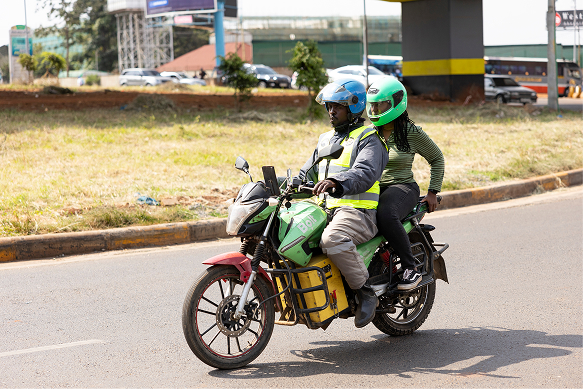
When riders compare an electric motorcycle with a petrol motorcycle, the first number they usually see is the purchase price. Petrol may appear to win that comparison because electric motorcycles can cost more upfront, but a working motorcycle continues costing its owner money long after it leaves the dealership. Fuel or electricity, servicing, repairs, financing and time spent off the road all affect how much of a rider's income the bike ultimately consumes.
That is why the better comparison is Total Cost of Ownership, or TCO: what the motorcycle costs to acquire plus what it costs to operate over the period you own it. Across African markets where motorcycles are used intensively for public transport, delivery and other commercial work, emerging evidence suggests that electric bikes can overcome their higher upfront cost relatively quickly because the rider repeats the savings on energy and maintenance every day.
The sticker price is only the start
The upfront difference is real. A 2024 peer-reviewed Kenyan case study compared an electric motorcycle designed for African conditions with a conventional 150cc petrol motorcycle and estimated cash purchase prices of $2,050 and $1,140 respectively. If the analysis stopped there, the petrol motorcycle would be the obvious choice.
But the researchers did not stop there. They modelled a commercial rider travelling 90km a day for 320 days each year and calculated not only the acquisition price but also the fuel or electricity and maintenance required over the motorcycle's life. Under those assumptions, the petrol motorcycle consumed about $1,800 in fuel every year, compared with only $152 in electricity for the electric motorcycle, while annual maintenance was estimated at $150 for petrol and $60 for electric.
The electric bike begins about $910 behind on purchase price but then saves roughly $1,738 a year on the two recurring costs modelled in the study. The researchers ultimately found that, under their assumptions, an electric motorcycle bought in cash became more economical than the new petrol alternative after about seven months.
This is the first important lesson of total cost of ownership: a cheaper asset can become the more expensive asset once you begin using it.
Running costs change the maths
For commercial riders, fuel is particularly important because it is not an occasional expense. It takes money from the day's earnings before the rider can decide what is left for food, rent, school fees, savings or the next day's work. The analysis of electric two-wheelers in Africa estimates that commercial motorcycle riders typically earn around $10–$15 per day, while petrol riders can spend 35%–45% of those earnings on fuel. By contrast, energy costs for electric two-wheelers are typically below $2 per day.
In Rwanda, where motorcycles form an important part of urban transport, Ampersand says its electric motorcycles cost roughly half as much to power as petrol alternatives and can raise riders' take-home income by around 45%. A rider interviewed in Kigali in 2025 described the difference more concretely: his daily fueling expense had been RWF3,000 (1 litre of petrol), compared with around RWF2,500 for a full battery charge, after switching to electric.
Ugandan riders in Fort Portal reported a similar effect. One rider told the Daily Monitor that he was spending about UGX6,000 to charge his electric motorcycle compared with more than UGX15,000 on petrol, while another described his daily savings increasing after moving away from fuel. Those figures are individual experiences rather than a national average, but they show why the economics of electric motorcycles are attracting riders beyond a single country.
Maintenance adds to the advantage because an electric motorcycle does not need many of the routine engine services associated with petrol bikes, such as oil changes, spark plugs and exhaust-system maintenance. Electric bikes still require tyres, brakes, suspension work and electrical servicing, and batteries have their own lifecycle considerations, but fewer moving engine components can mean fewer recurring maintenance costs.
Does this make electric motorcycles affordable?
The economics can favour electric and still leave a practical problem: how does a rider afford the higher purchase price in the first place? Paying cash is usually the simplest way to minimise the acquisition cost because there is no financing charge, but it also requires paying the full amount.
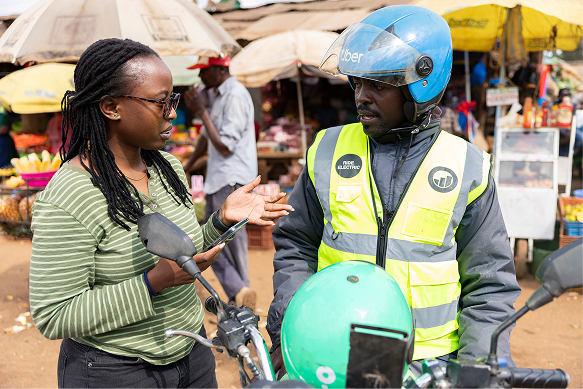
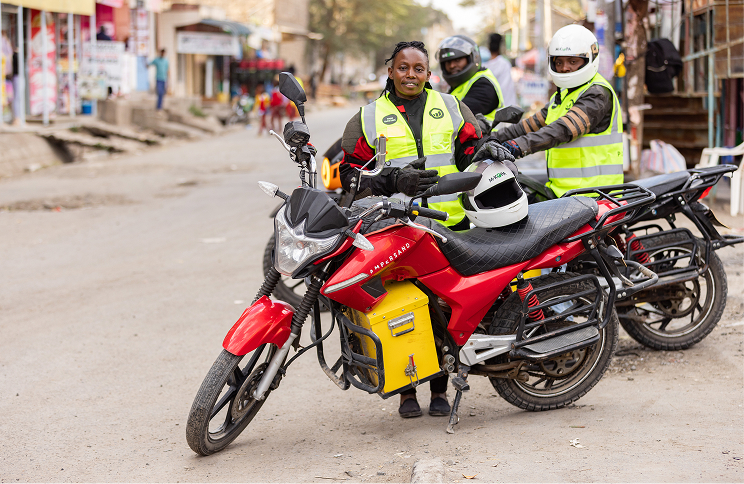
And this is why at M-KOPA, we created a pay-as-you-go financing model that makes the payments smaller and more closely matched to how commercial riders earn. Through M-KOPA Mobility's electric-motorbike financing, eligible riders can start with a deposit and then make manageable daily or weekly payments while already using the bike for work. We currently partner with electric-bike manufacturers including Roam, Ampersand and Spiro…and we have success stories of riders who have made the switch.
One example is Kenyan entrepreneur Mary Atieno Oketch, who started with a KSh25,000 deposit on a Roam Air and KSh550 daily instalments. She then hired a boda boda rider to operate the bike, turning it into an income source while she continued paying towards ownership. This is where financing becomes part of the TCO calculation rather than a separate issue. Financing adds to what the bike ultimately costs, but it can allow the rider to start accessing the lower fuel and maintenance costs now instead of spending months or years saving for the full upfront purchase price.
Riders are seeing the difference
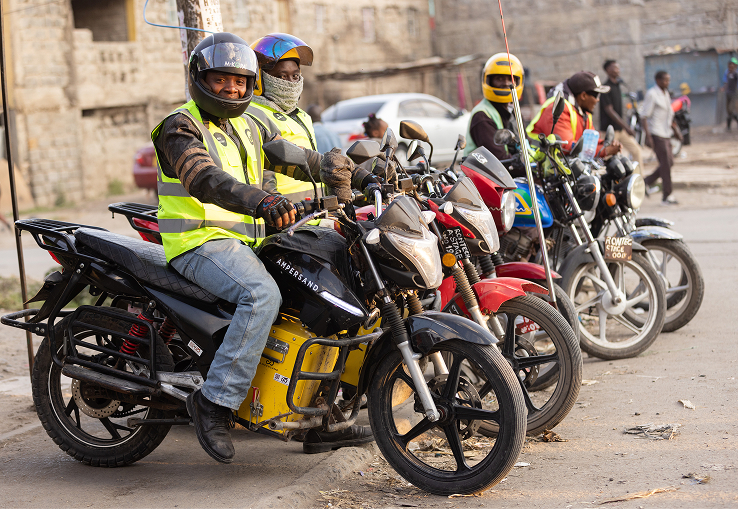
The numbers become easier to understand when we look at what happens to riders' actual earnings. As of November 2025, M-KOPA has now financed more than 5,000 electric motorcycles in Kenya, and our rider research found average savings of KSh730 per day through reduced fuel spending, fewer repairs and efficient battery swapping. In the same research, 66% of riders said they were earning more after switching to electric.
For one of our riders–Erick Odero Ochiel in Waithaka, that difference changed how he worked. He had previously combined riding a petrol motorcycle with construction work because riding alone was not earning him enough. After switching to an M-KOPA electric bike, he became a full-time rider, and the money he saved on fuel and maintenance helped him keep up with his bike payments while also building personal savings.
Erick's experience captures the economics simply: a commercial motorcycle is not only something a rider spends money on; it is an asset expected to produce income. The less of that income the bike consumes to remain on the road, the more the rider can keep.
The savings still depend on where you ride
Electric motorcycles do not automatically win everywhere because lower electricity costs are only useful when riders can conveniently access that electricity. Charging stations, battery-swap networks, reliable power, spare parts and servicing all affect the true cost.
For the individual rider, the practical questions are straightforward:
- Can I charge or swap a battery easily along the routes where I work?
- How much will that energy cost?
- How much working time could I lose when I need to recharge, swap or service the bike?
A cheap kilometre is less useful if accessing it regularly keeps the rider off the road.
Let the bike help pay for the switch
For a commercial rider, the better motorcycle is not necessarily the one that costs less at the dealership, but the one that leaves more of each day's earnings in your pocket. Electric motorcycles can do that through lower energy and maintenance costs, particularly for riders who spend most days on the road.
The higher upfront price, however, remains a real barrier. With M-KOPA Mobility, eligible riders can start with a deposit and pay towards ownership while already using the electric motorcycle to earn, rather than waiting until they can produce the entire purchase price in cash. Flexible repayment options can be daily, weekly or monthly, depending on the product.
Contact us today to get started.

.svg)


