



If you see an opportunity to lend and borrow money directly from an individual, without going through a traditional bank, would you take it? This is called peer-to-peer (P2P) lending: borrowing money directly from another person, without a bank.
In a way, a personal loan between individuals is a quick solution for borrowing without a bank, and without having to rely on family or friends. In this article, we’ll discuss all you need to know about peer-to-peer lending.
Why Peer-to-Peer Lending?
The relatively flexible conditions for obtaining peer-to-peer loans are one of the reasons for the growing popularity of peer-to-peer lending. If banks think your credit history isn’t strong enough, P2P lending can be a way to finance your projects without going through a bank.
Whether it’s for a personal project, a car, or starting a business, borrowing directly from individuals can be a simple way to get the funds you need.
Components of P2P Lending
- Borrowers: Individuals seeking funds for personal or business use. They apply for loans through P2P platforms (lending institutions).
- Lenders: Individuals willing to lend their funds in exchange for interest payments. They analyze borrower profiles and assess risk before investing.
- P2P Platforms: Online marketplaces that connect borrowers and lenders. They facilitate the lending process, manage transactions, assess creditworthiness, and handle collections.
What should I look for in a P2P lending platform?
When selecting a P2P lending platform, consider factors such as the platform's reputation, the variety of loan options available, fee structures, historical performance data, and the level of customer support provided. It's also important to review the platform's risk assessment processes and loan default rates.
Am I eligible for a peer-to-peer loan?
P2P loans don’t have fixed rules like bank loans; the borrower and lender simply agree on the terms together. This can be a viable option for those who don't meet the usual bank requirements, such as stable income or a good credit history. However, it is advisable for the lender to carefully assess the borrower's creditworthiness to minimize the risk of default.
Should I Consider Peer-to-Peer Lending?
The advantages
- The loan can be negotiated freely between the parties, without the constraints imposed by banks. It therefore offers great flexibility.
- The process is faster, since the lender and the borrower do not need to go through lengthy administrative procedures.
- Depending on the relationship between the parties, it is possible to obtain a loan at a more advantageous interest rate.
The disadvantages
- A loan between relatives can cause tension and conflict, especially in the event of repayment difficulties.
- Unlike bank loans, there is no guarantee in the event of default.
A Better Option
With M-KOPA digital loans, you don’t have to go through the stress of searching for the right P2P platform, comparing endless options, or waiting for lenders to decide. We’ve removed all that complexity.
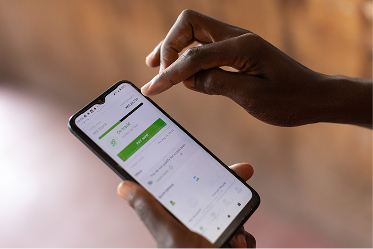
All you have to do is get an M-KOPA smartphone, pay small amounts every week or month, and then qualify to get a bigger loan. Contact us to learn more.

.svg)


