




As electric vehicles move toward widespread adoption, the infrastructure that supports them faces a crucial question: how will drivers recharge their vehicles quickly and conveniently?.
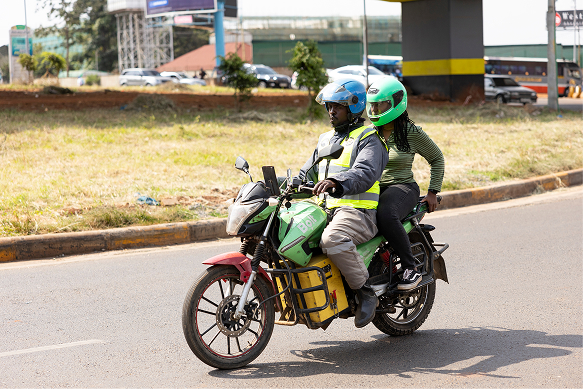
For the modern rider, choosing between battery swapping and charging isn't just about technology because every hour you spend off the road is an hour of lost earnings. To maximise your "take-home" pay, you need to choose the power model that fits your hustle.
Read on to find out which.
Battery swapping vs charging
One of the great advantages of electric motorbikes is their ease of charging. Unlike internal combustion vehicles that need to be refueled with gasoline or diesel, an electric motorbike can be charged virtually anywhere with access to electricity.
The main charging solutions today include home charging (slow charging), public fast charging, and the emerging battery swapping model.
Charging
Charging is the most common method for powering electric vehicles. It involves plugging the motorbike into a charging station or home outlet and waiting for the battery to recharge.
- Home charging: Most electric motorbikes can be charged using a standard household outlet. This is the most convenient and economical method, as you can recharge your motorcycle overnight while you sleep. However, keep in mind that the charging speed will be limited.
- Fast charging: Just like electric cars, electric motorbikes can also be charged at public charging stations. These stations often offer high-power chargers that can recharge your motorcycle much faster than a household outlet. Currently, standard DC fast charging stations on the market can charge lithium batteries to 80% in 30 minutes.
Swapping
At its core, a motorbike battery swapping system is an ecosystem designed to replace the time-consuming process of charging an electric motorbike battery. Instead of plugging a vehicle into a charger and waiting for hours, a rider simply pulls up to a battery swapping station, removes the depleted battery, and swaps it for a fully charged one. The entire swapping process takes less than a minute. Think of it like refueling a gasoline-powered vehicle—it's that quick and simple.
Considerations for user experience
For users, the choice between battery charging and swapping presents different benefits. Swapping offers predictability and speed, but requires riders to locate specialised stations that may be geographically limited. The subscription payment model could appeal to price-conscious buyers, but some will hesitate about ongoing service fees.
On the other hand, fast charging offers flexibility and better convenience. Riders can charge at numerous locations, often combining charging stops with other activities. The user owns their battery, eliminating subscription concerns, but takes on the cost of future replacement and battery degradation.
The table below summarises the comparison between battery charging and swapping:
Which is better for riders?
The traditional model for charging an electric motorbike can take four to eight hours. This extended downtime is simply not viable if you're operating in industries like food delivery, logistics, or express courier services. This is where the battery swapping model comes in. By reducing "refueling" time to less than 60 seconds, you can maximise your time as a rider e.g., complete more deliveries or serve more ride-hailing customers in a single day. This translates directly into increased productivity and profits for you.
Beyond speed, a battery swapping station also offers centralised battery management. Instead of being responsible for charging your e-bike battery at home correctly, batteries are charged under optimal conditions within the swapping stations. This controlled environment prevents overcharging, manages temperature, and balances the cells, thereby extending the lifespan of each battery. A high-quality battery, when properly managed, can last for years, saving you a fortune in battery replacement costs.
Conclusion: our solution
At M-KOPA, we understand that riders have different needs. That’s why we work with leading EV partners who offer both charging and battery swapping solutions to deliver our M-KOPA Mobility solution.
- Roam Air enables you to charge at home, at work, or at any charging station across Nairobi. The e-bike also comes with 1–2 lithium-ion batteries (including chargers).
- Ampersand is Kenya’s most reliable battery swapping company, with 16 swap stations across Greater Nairobi. They offer unlimited battery swaps on-the-go.
- With Spiro, you never have to wait to charge: simply swap your battery at any Spiro station and get back on the road in minutes.
To get any of these e-bikes, you can pay conveniently through M-KOPA’s flexible financing, and enjoy clean, cost-effective mobility every day.
The real advantage in electric mobility isn’t just choosing between swapping and charging, but having options that fit your lifestyle. Because at the end of the day, what matters most is staying on the road, and staying in control of your time.
Ready to own your own e-bike with M-KOPA? Chat with us!

.svg)


